

Service Course Tri VS. Service Route TRI: HOW TO CHOOSE A DROP-BAR TRIATHLON BIKE

Quintana Roo's drop-bar triathlon bikes occupy a unique space in the sport. They're not road bikes repurposed for triathlon with a pair of aero extensions. They’re not dedicated triathlon bikes with a road cockpit swapped in. They're purpose-built machines that blend aero efficiency, tri-specific fit, and drop-bar handling into a single platform. The result is more versatility and more comfort.
Within our drop-bar category, we build two bikes to serve two distinctly different athletes: the Service Course Tri and the new Service Route Tri. We’ll explain the key differences between these two drop-bar triathlon models so you can find your perfect fit.
Explore Drop Bar Triathlon Bikes
Performance First: The Service Course Tri

The Service Course Tri is built for athletes who want to extract every second from race day. It uses more aggressive race geometry, which puts you in a longer, lower position. It’s ideal for holding speed, attacking climbs, and staying aero through technical corners. The carbon frame features the deepest aero cross-sections and the lowest weight in the QR drop-bar lineup, designed to maximize speed and efficiency when the pace is high.
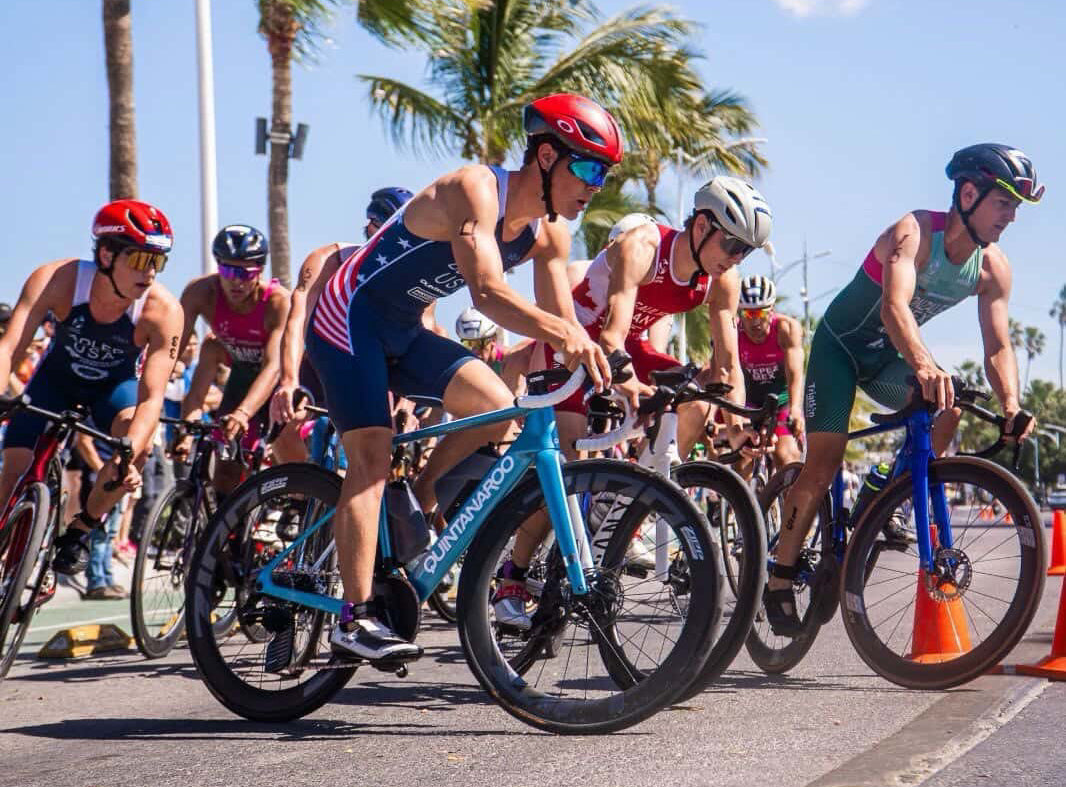
The Service Course Tri is the bike that Quintana Roo World Triathlon pro and Olympic hopeful Blake Bullard races. For 40k of all-out, technically demanding racing, all the way up to long-course triathlon events, the more aero and aggressive Service Course Tri will reward athletes who have the fitness and flexibility to sustain an aggressive position and put out sustained power.
Comfort and Versatility: The Service Route Tri

The Service Route Tri is built on the premise that keeping an athlete comfortable, confident, and in control can provide bigger gains than focusing solely on aerodynamics. The frames use endurance road geometry with tri-specific fit, components, and positioning. We raised the front end to provide a more upright position that distributes weight more evenly and reduces back, arm, and shoulder strain across long efforts. Reducing the effort of holding your riding position means arriving at T2 with more energy left for the run.

The carbon lay-up is comfortable by design, with enhanced compliance that reduces vibration and absorbs bumps and rough roads. More comfort reduces fatigue during long rides and opens up new roads to explore. Despite this increased focus on comfort, the Service Route Tri still provides aerodynamic shaping designed to increase efficiency at real-world riding speeds.
Which Bike Is Right for You?

Isaac Lamprecht won the collegiate sprint national championship on the Service Course Tri.
If you're battling for position in draft-legal events, chasing podiums and age-group results, or you just want the fastest, most aerodynamic drop-bar bike possible, the Service Course Tri is your ultimate race weapon.
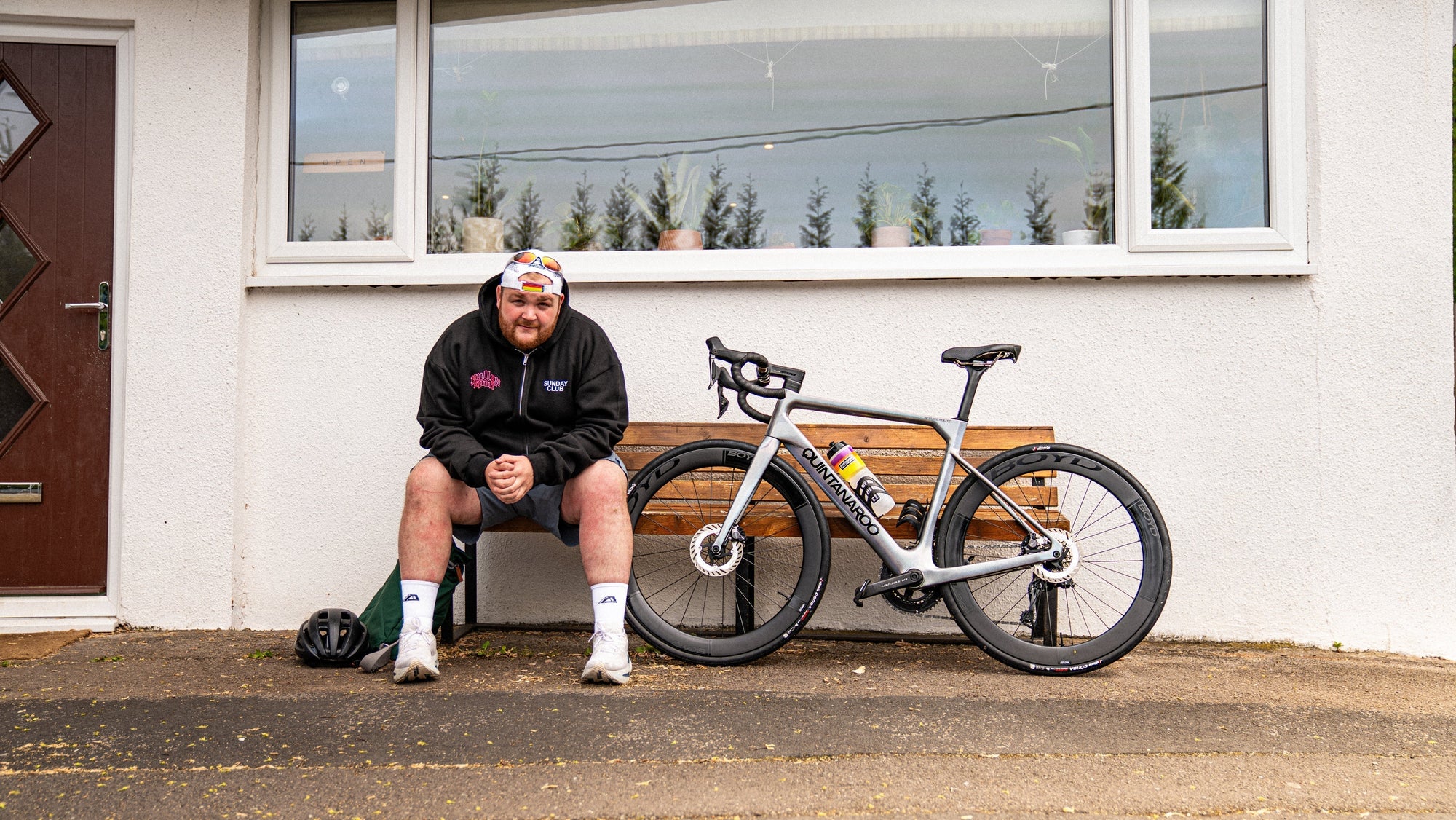
Owen Pedz chose the Service Route Tri for his journey to IRONMAN Wales.
If you're a first-time triathlete making a long-term investment, a long-course athlete who values all-day comfort, or someone who wants the most versatile do-it-all bike for training rides, technical courses, and everything in between, the Service Route Tri was built for you.
Both bikes are Quintana Roo to the core. The question is just which kind of fast you're after.


